01 / STRUCTURE

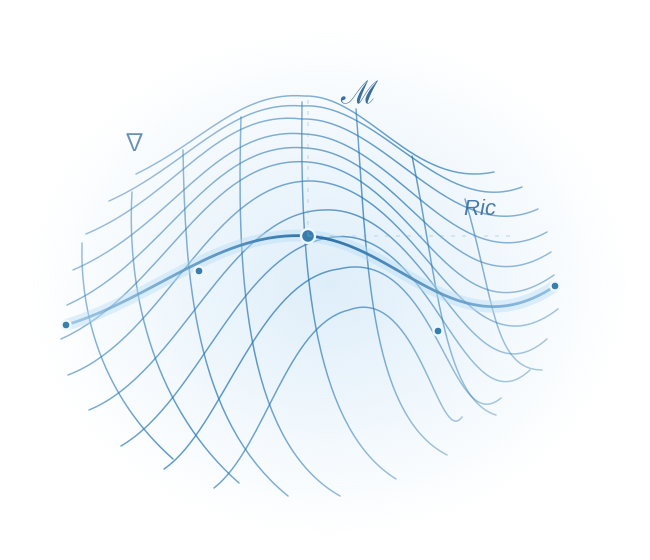
Characterizing geometric structure.
Analyzing curvature, representation geometry, and geodesic convexity in data and mathematical models.
Explore structure
APPLIED MATHEMATICS · HARVARD UNIVERSITY
Assistant Professor of Applied Mathematics and of Computer Science
I lead the Geometric Machine Learning Group at Harvard. My research lies at the intersection of geometry, optimization, and machine learning. I received my PhD from Princeton and was subsequently a Hooke Research Fellow at Oxford.
I'm grateful for research support from the NSF (CBET-2112085 and DMS-2406905), DARPA (COMPASS and expMath), the Alfred P. Sloan Foundation, Schmidt Sciences, Coefficient Giving, the Aramont Fund, the Army Research Laboratory, and the Air Force Research Laboratory.
RESEARCH FOCUS
How does geometric structure affect what can be learned and computed efficiently? I approach this from three different complementary perspectives: characterizing structure in data and models, establishing its power and limits for learning and computation, and developing algorithms that exploit it.
An introduction to this perspective: Geometric Machine Learning · AI Magazine, 2025 ↗
Analyzing curvature, representation geometry, and geodesic convexity in data and mathematical models.
Explore structureEstablishing when structure improves learning—and when computational or statistical barriers remain.
Explore foundationsDeveloping optimization and learning algorithms that turn geometric insight into efficiency and guarantees.
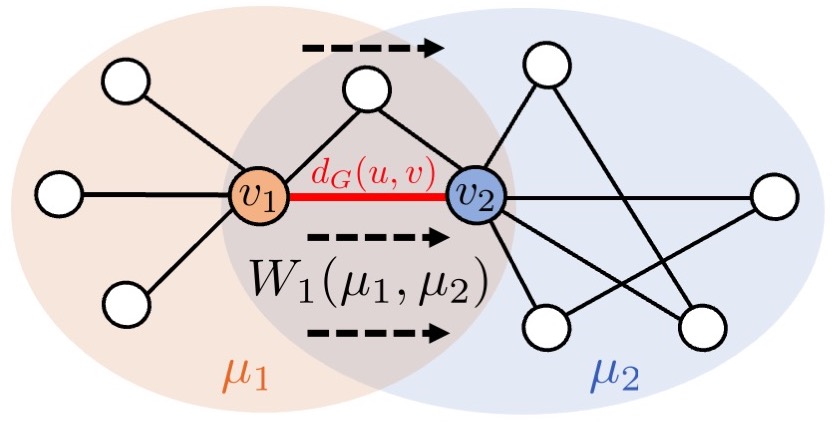
Explore methodsProves consistency of discrete curvature with manifold Ricci curvature, including global lower-bound guarantees.
N. García Trillos and M. Weber · Discrete & Computational Geometry, 2026
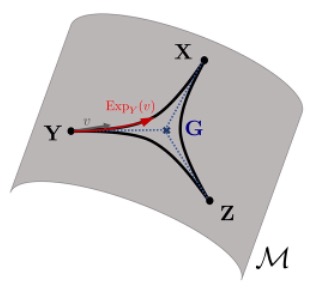
Extends projection-free constrained optimization to manifolds with convergence guarantees.
M. Weber and S. Sra · Mathematical Programming, 2022
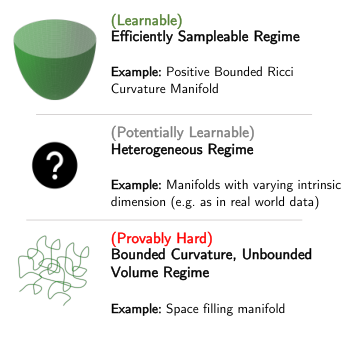
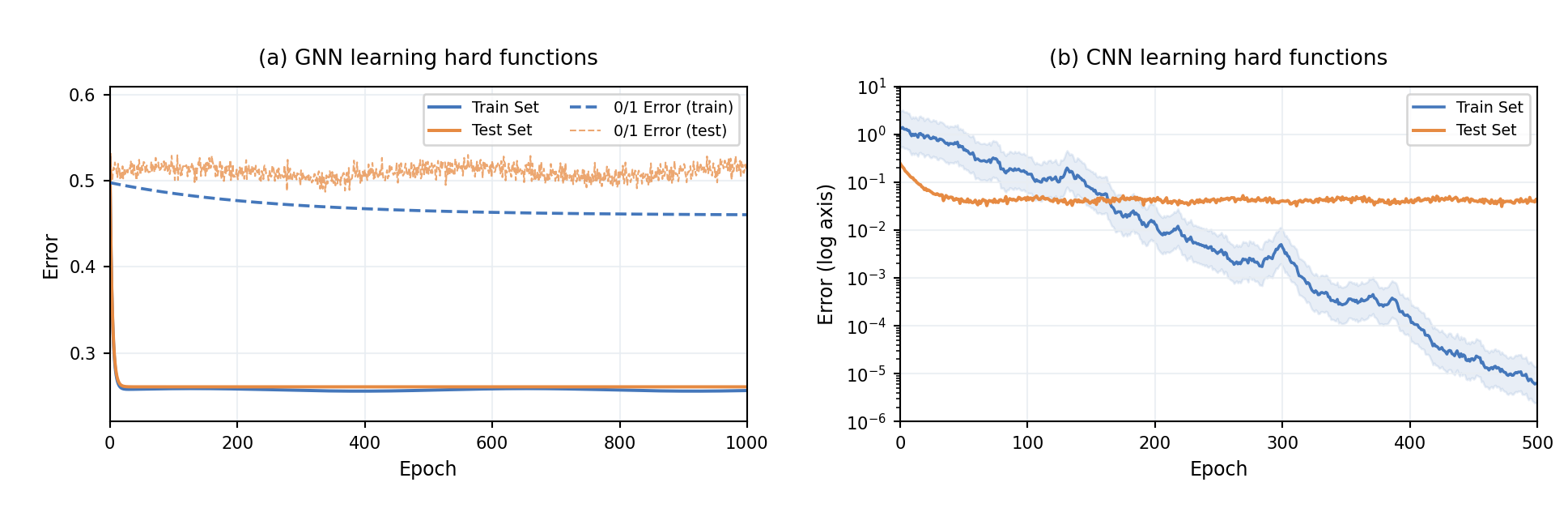
Shows that smooth, low-dimensional data manifolds need not make neural-network learning computationally easy.
B. Kiani, J. Wang and M. Weber · NeurIPS, 2024
NeurIPS spotlight · 2024
Proves that equivariance alone need not overcome fundamental computational barriers to learning.
B. Kiani, T. Le, H. Lawrence, S. Jegelka and M. Weber · ICLR, 2024
ICLR spotlight · 2024
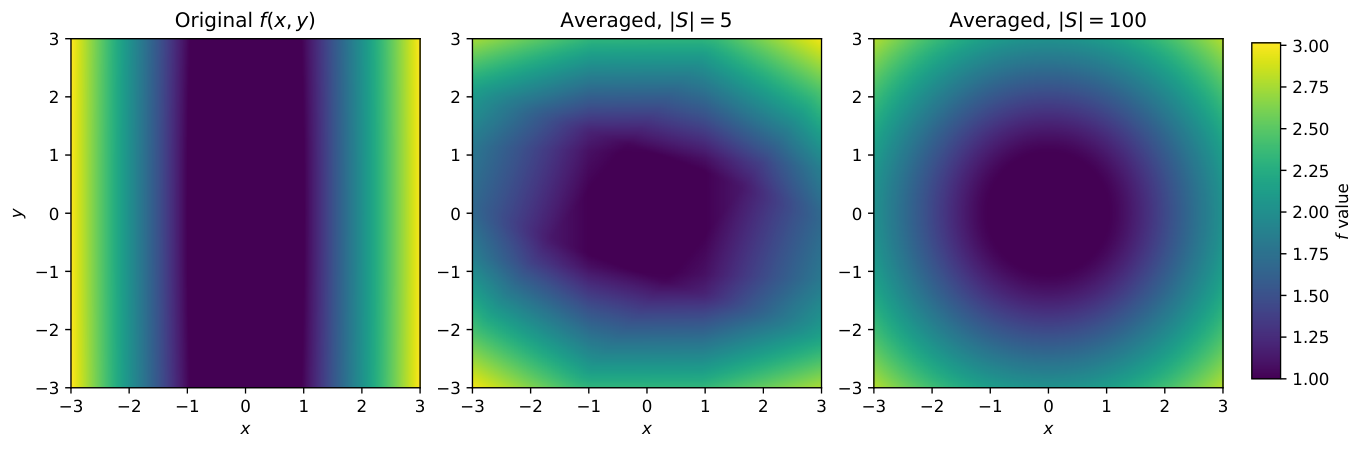
Establishes an exponential separation in the averaging complexity of exact and approximate symmetry.
B. Tahmasebi and M. Weber · ICLR, 2026
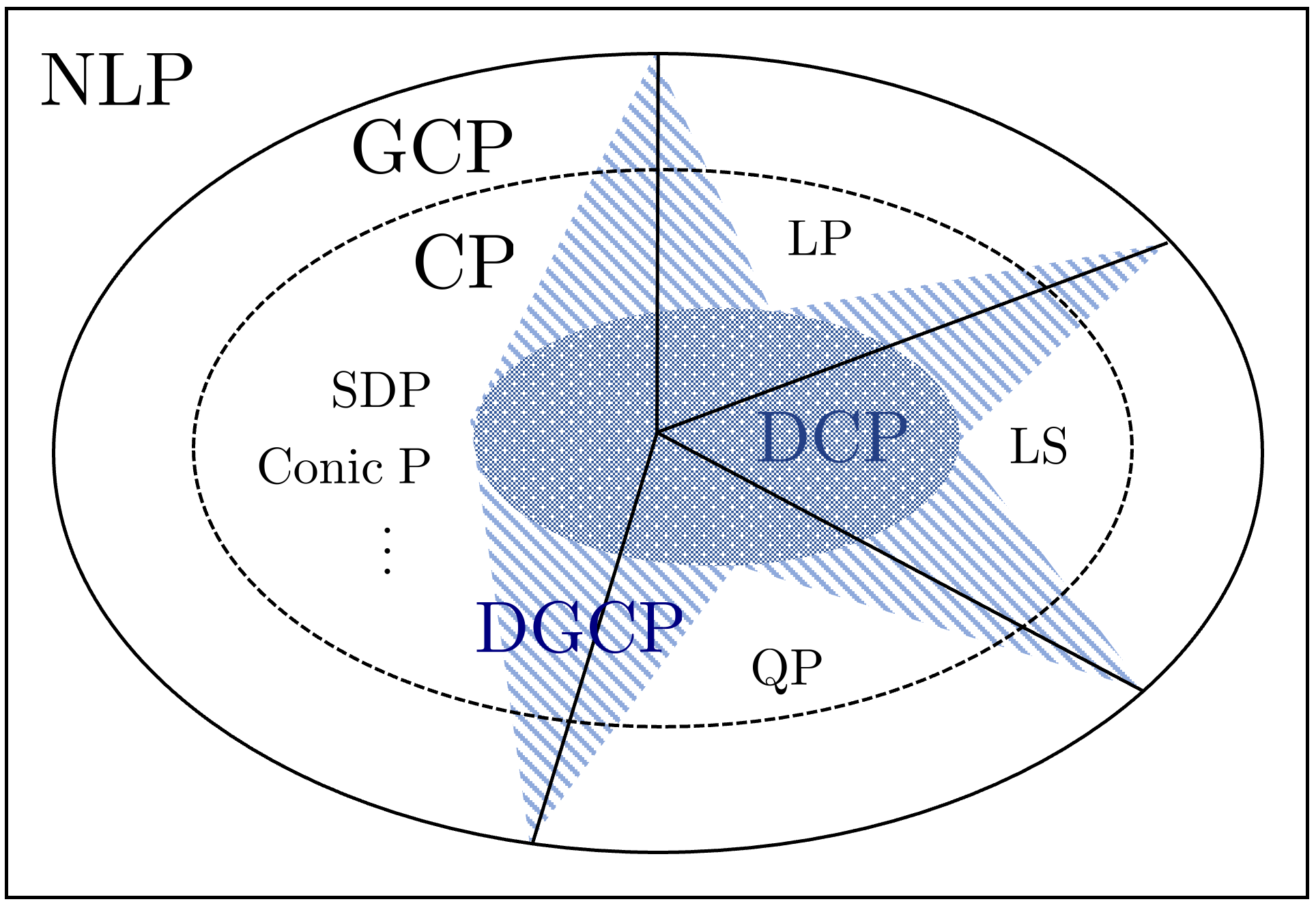
Introduces a symbolic calculus for certifying geodesic convexity in optimization problems.
A. Cheng, V. Dixit and M. Weber · Mathematical Programming Computation, 2026
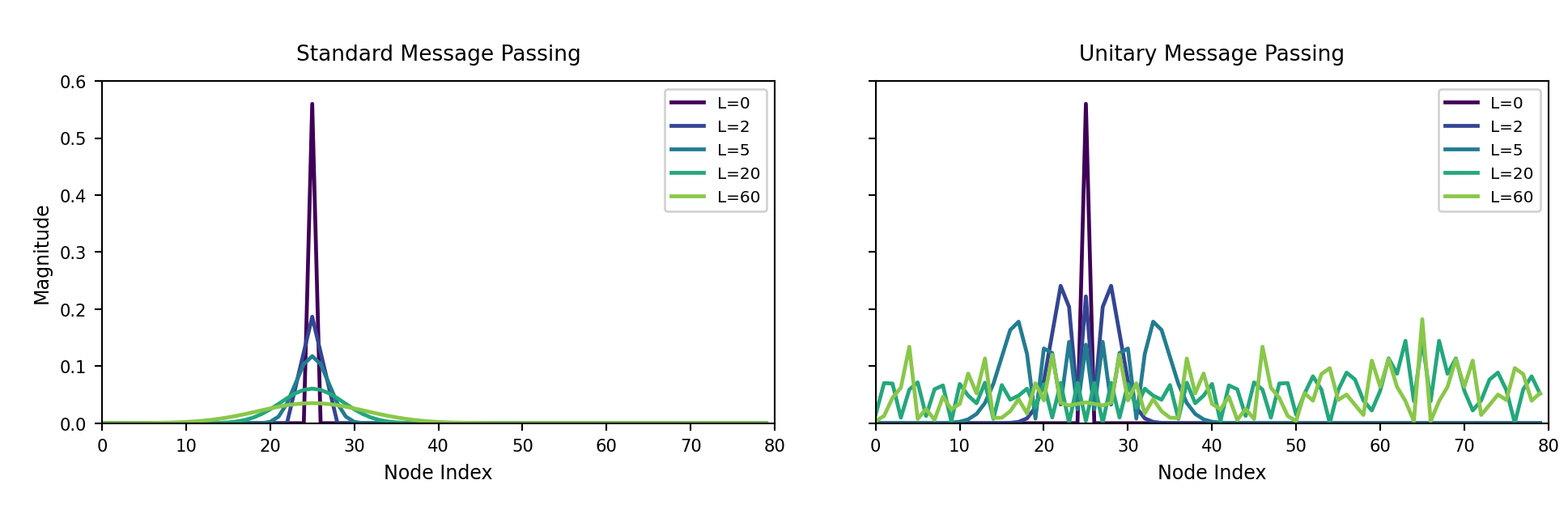
Uses unitary structure to preserve signal energy and mitigate oversmoothing in graph learning.
B. Kiani, L. Fesser and M. Weber · NeurIPS, 2024
NeurIPS spotlight · 2024
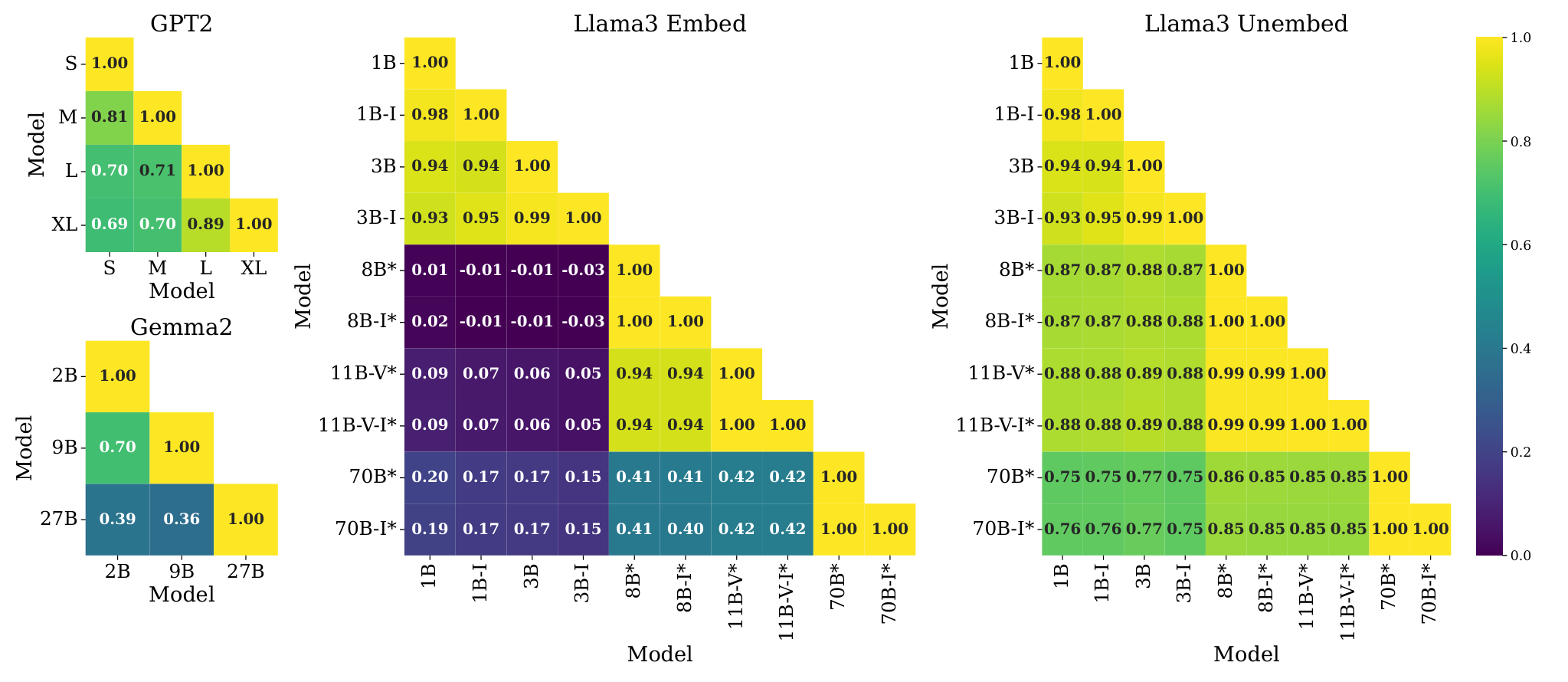
Identifies recurring global and local geometric structure across language-model representations.
A. Lee, M. Weber, F. Viégas and M. Wattenberg · COLM, 2025
COLM Outstanding Paper · 2025
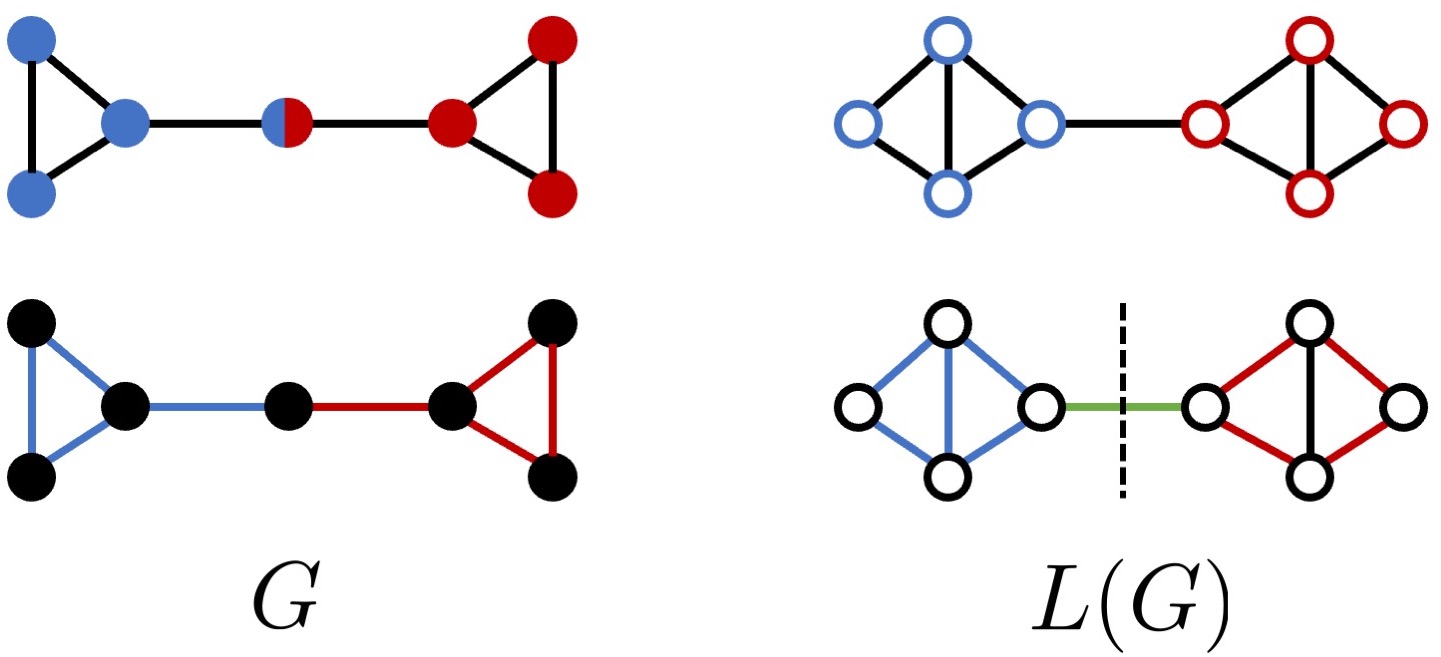
Develops graph-clustering methods based on local curvature information.
Y. Tian, Z. Lubberts and M. Weber · Journal of Machine Learning Research, 2025
INVITED PRESENTATIONS
December 7 · Sydney, Australia
November 17 · Salt Lake City · With Behrooz Tahmasebi
June 1 · Cambridge, Massachusetts
Spring 2023 · Spring 2024 · Spring 2025 · Spring 2027
Graduate course on geometric methods underlying modern machine learning.
Fall 2024 · Fall 2026
Foundations of continuous optimization and its applications.
GET IN TOUCH
For research, seminars, and academic collaboration.